

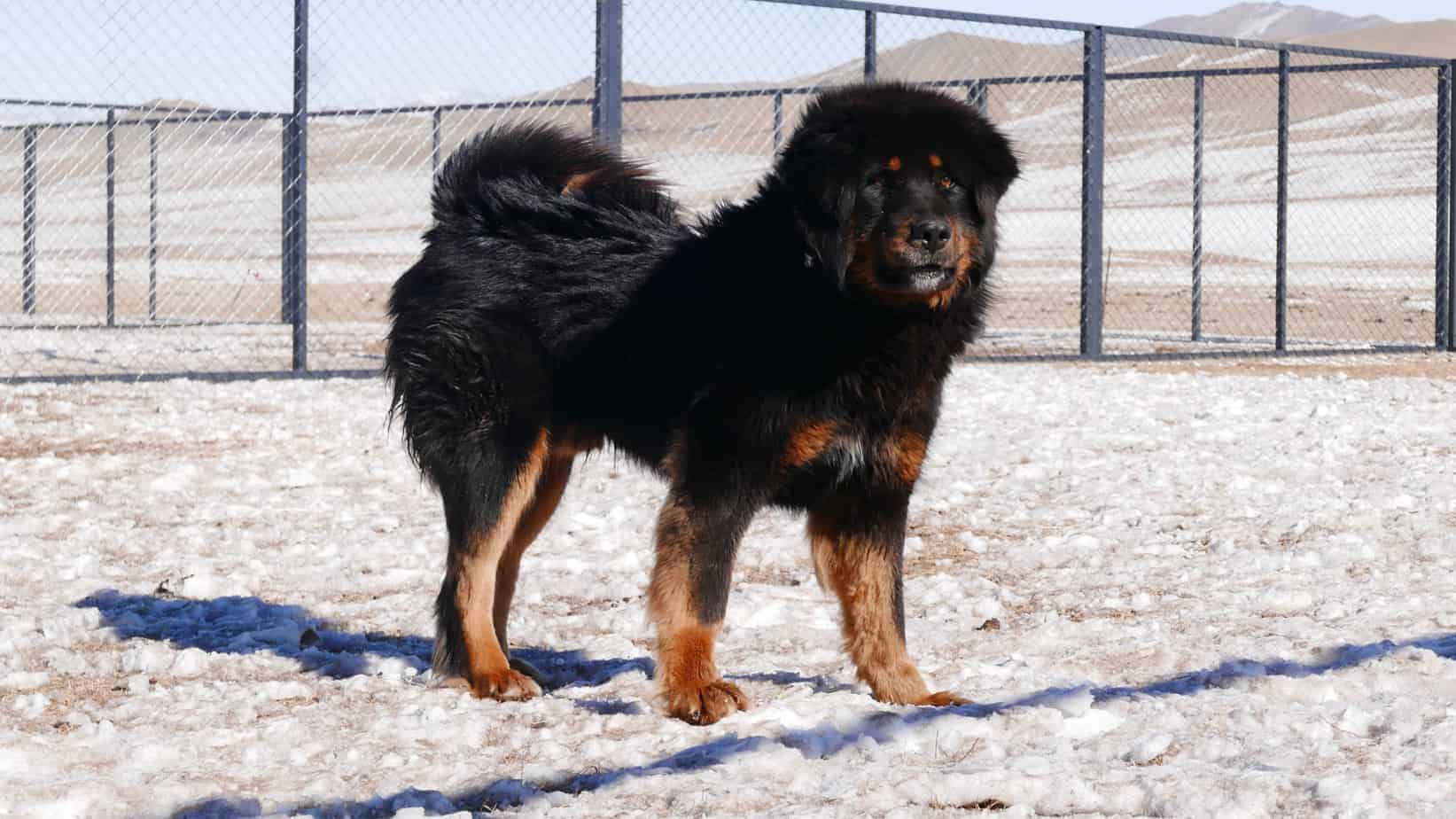
Let’s face it, no matter what side of the political fence you land on, the news tends to provide a rather bleak look at the world these days. Bad news sells, and there’s little incentive to show the good occurring when outrage and fear are far better at boosting ratings. This is certainly the case when it comes to coverage of four-wheel drives and environmental preservation. It seems like the only time these words are ever used together is when it’s concerning the closure of trails or the failure to obey Tread Lightly policies, but there’s so much more to the story. All over the world, people are using these vehicles to reach out to remote communities in need of assistance, to create new conservation efforts in delicate regions, and to preserve wildlife threatened by our changing world. There are many amazing examples, but few are better than the Mongolian Bankhar Dog Project.
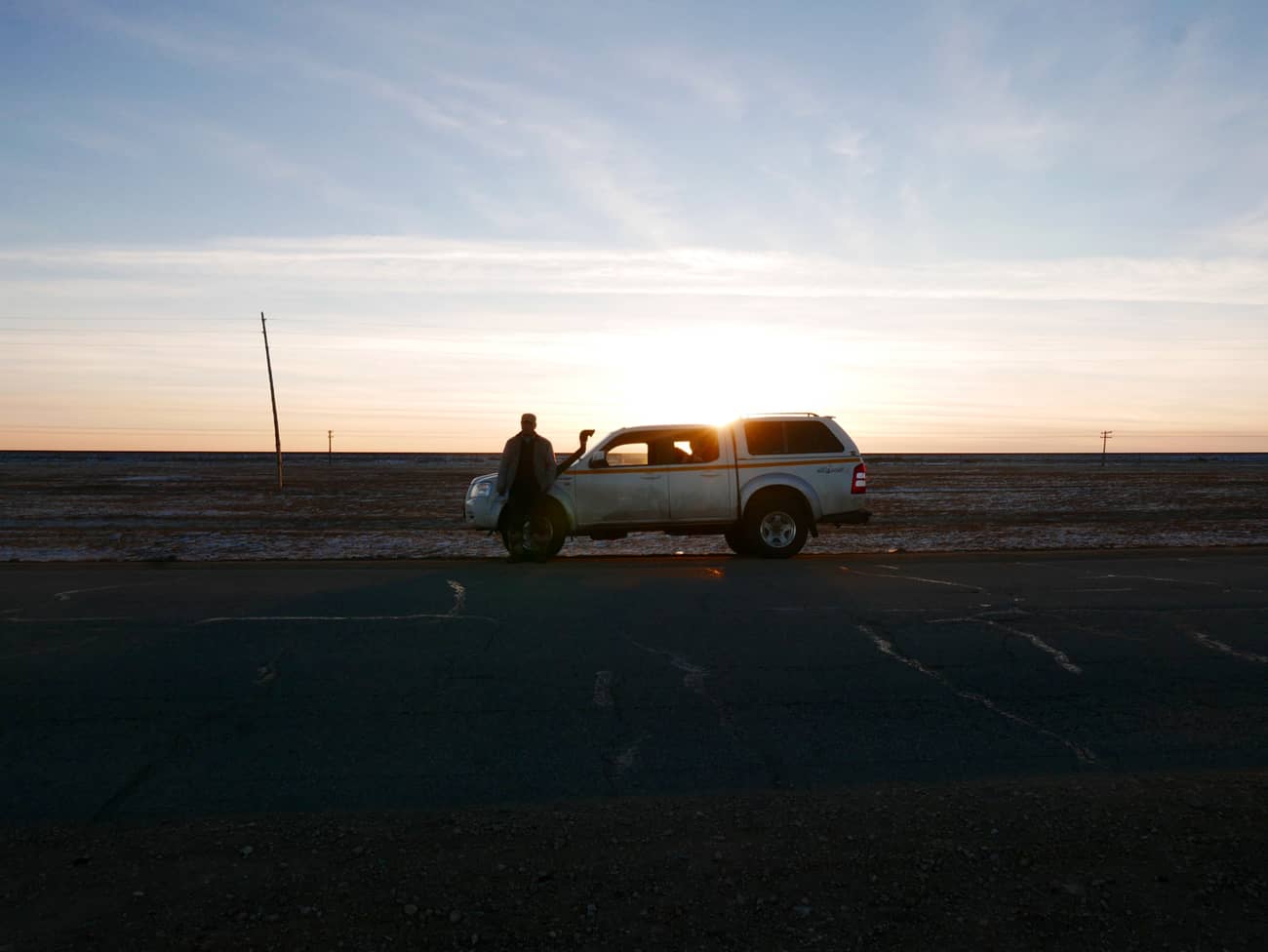
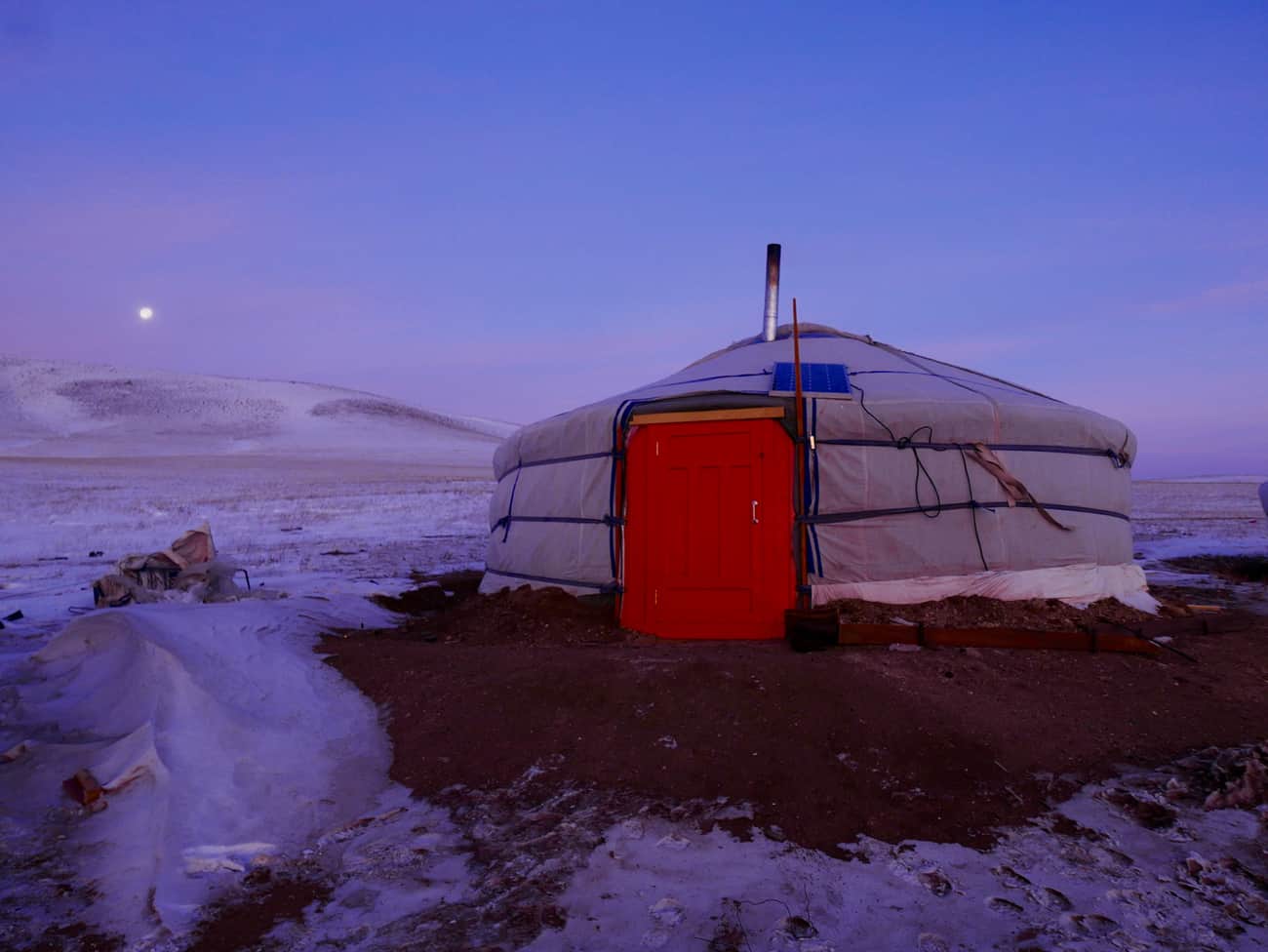
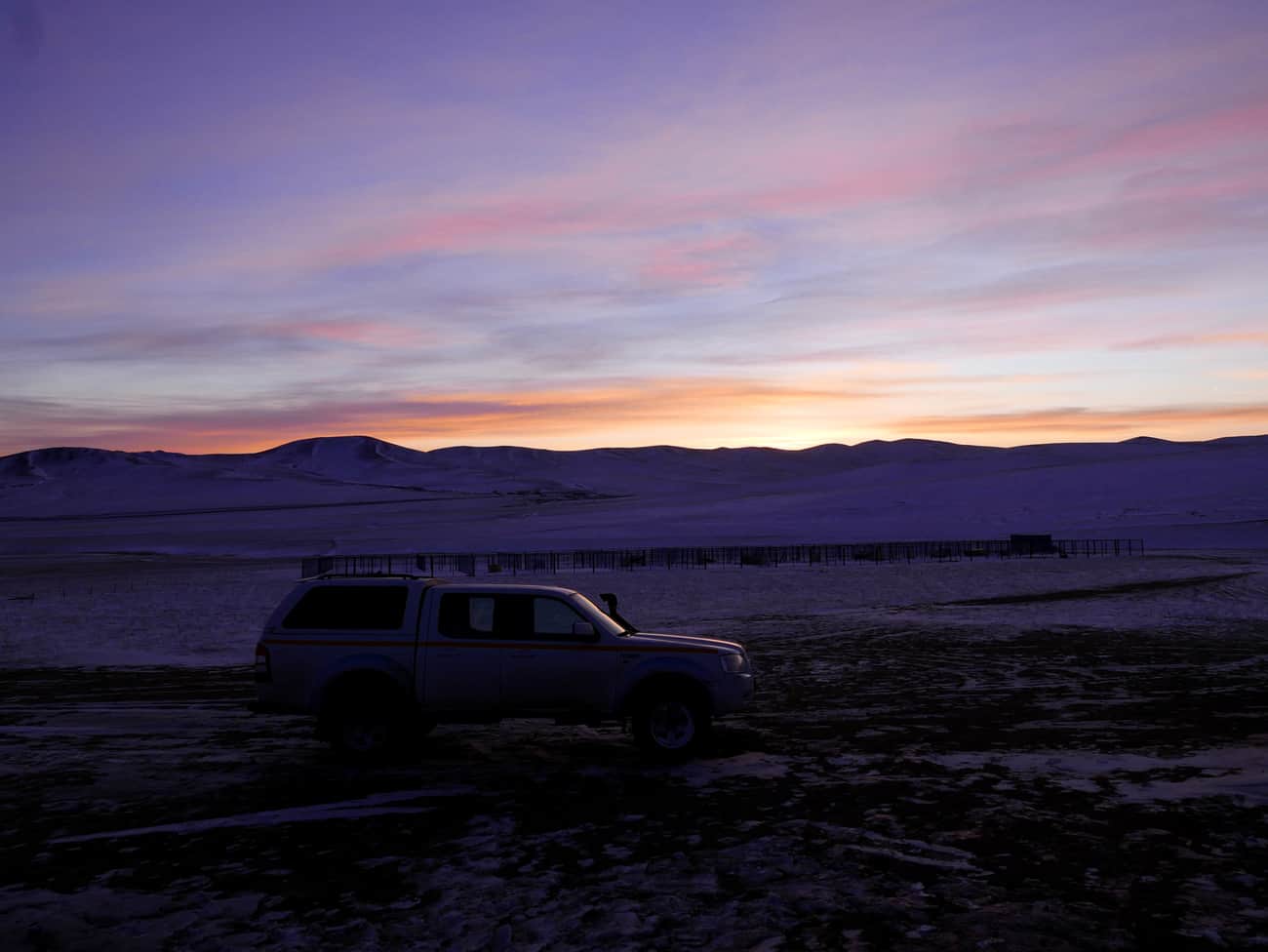
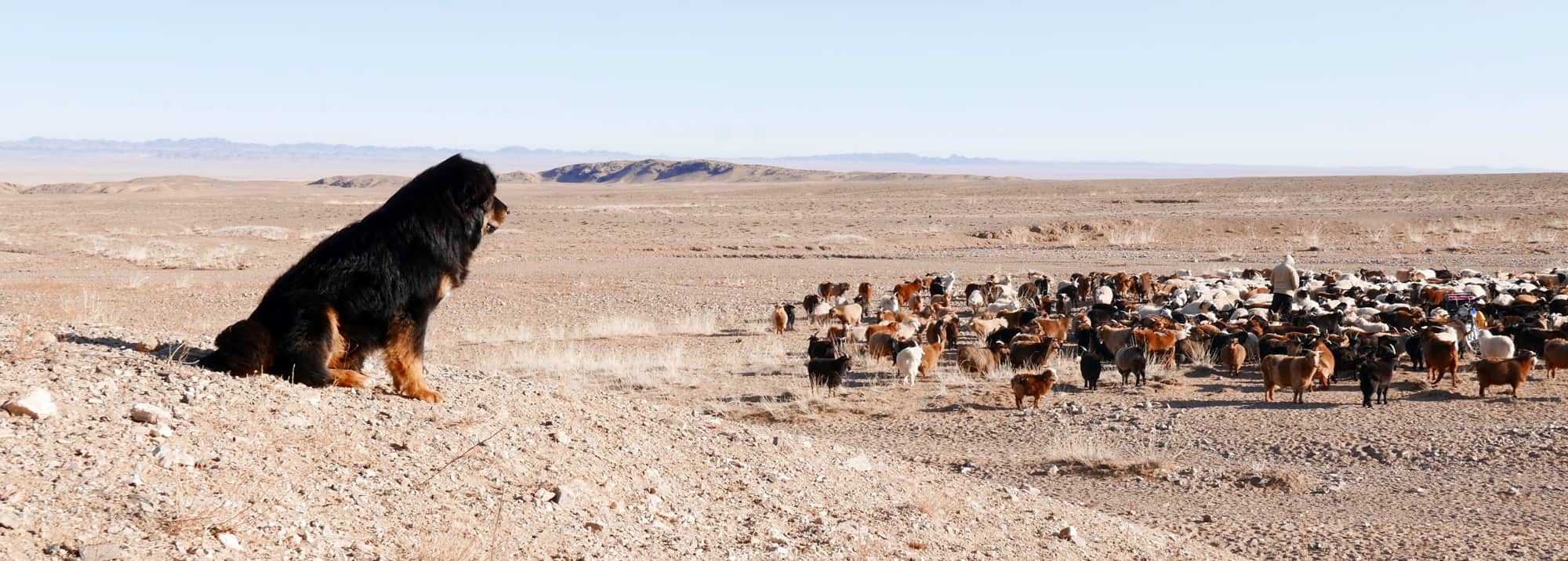
The roots of the Bankhar project date back to 2003, when Bruce Elfstrom, founder of Overland Experts, was leading a group of clients through the heart of the Mongolian Steppe. They had set up camp in a beautiful valley for the night and were welcomed by a small village nearby. While the group was there, a large pack of wolves came through the area, killing 17 colt horses that belonged to Mongolian families. It was a devastating blow to their livelihood, but what happened next was equally sad. Unable to defend their animals, the villagers set out to kill the wolves. They burned their dens and hunted down as many as they could. Apparently, they did the same for other rare predatory species in the area, further reducing the already dwindling populations. Bruce knew that there had to be some way to de-escalate the situation, some solution that would discourage predators from becoming dependent on farm animals, and eliminate the need for families to hunt these endangered creatures. The answer was the Bankhar dog.
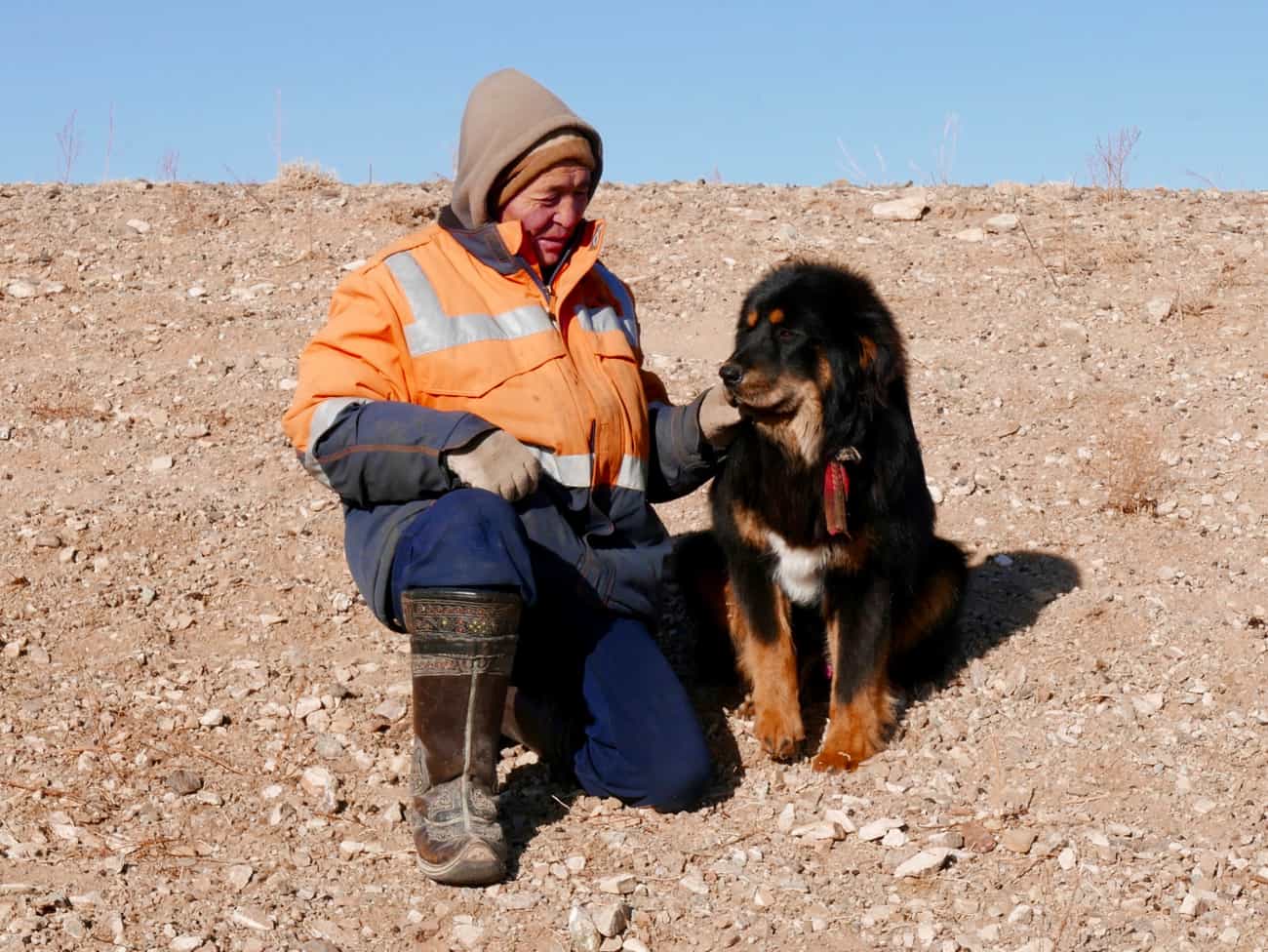
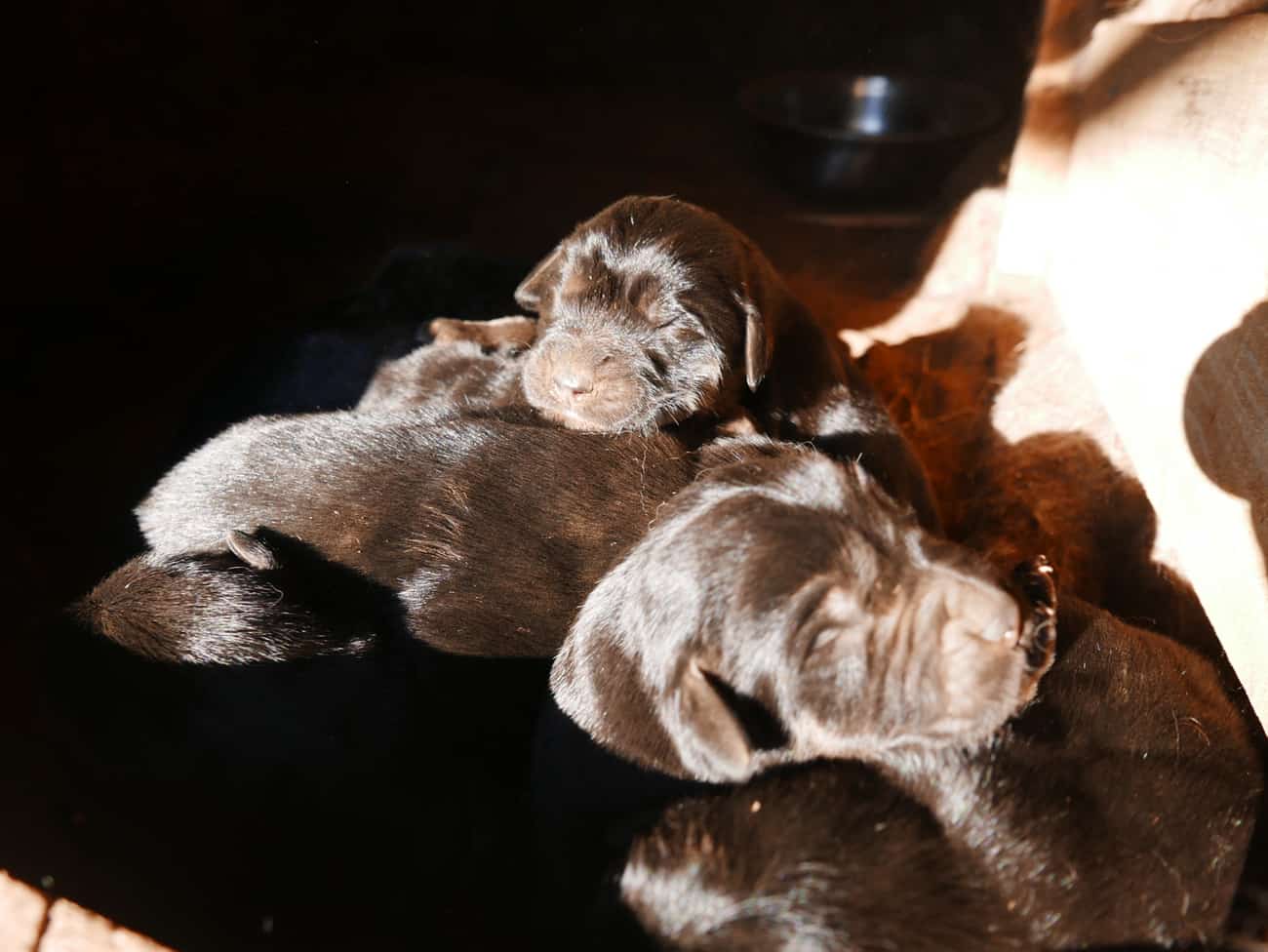
The Bankhar has been used to protect livestock in Mongolia for thousands of years and is still a strong cultural symbol in the region. Unfortunately, they nearly disappeared during the Soviet era, leaving local animals completely unprotected and creating a dangerous formula for human–predator conflicts. Over the last 7 years, the Bankhar Dog Project has been seeking to fix that. Their team has evaluated the genetic backgrounds of dogs all across Mongolia, carefully selected those fit for roles as livestock guardians, and then bred them to produce puppies. These are then raised and trained amidst the villagers and their animals, forming a strong bond between them all. The results are impressive to say the least.
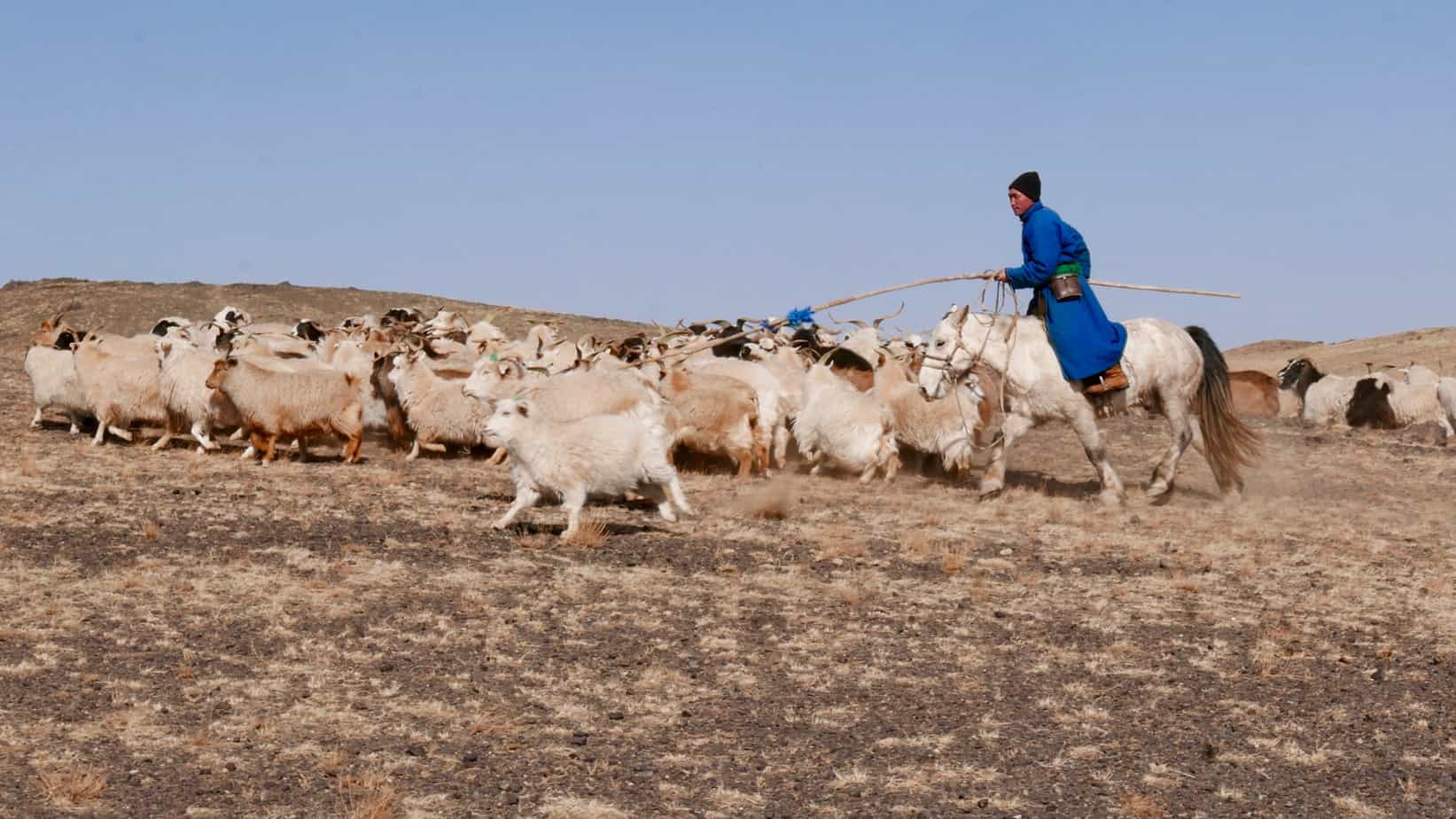
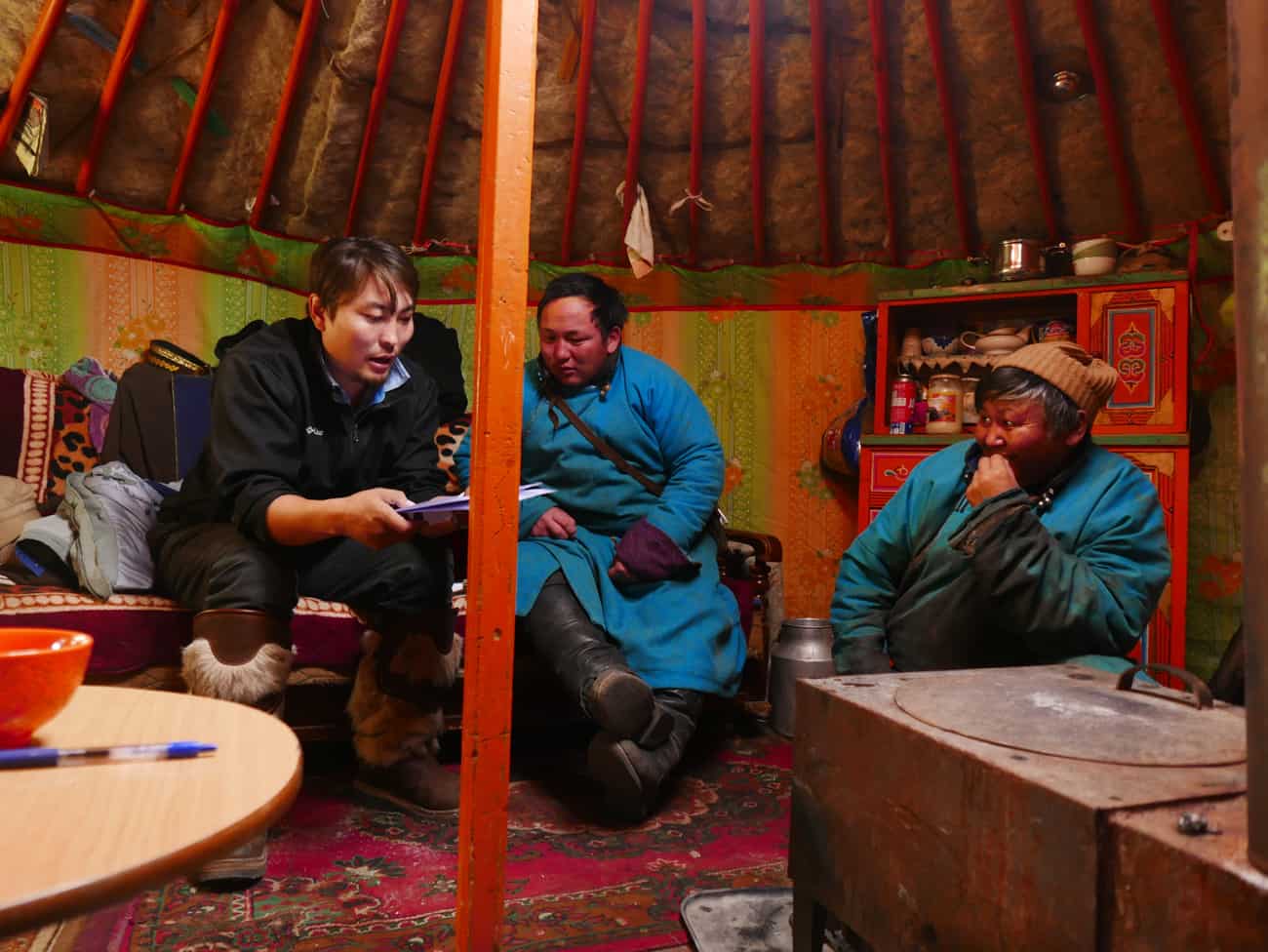
Despite the significant challenges of establishing these programs from scratch, their team has seen an 85-percent success rate, a number which continues to improve. Livestock losses have been drastically reduced, the need for herders to hunt the predators has been eliminated, and the rare carnivores are returning to their natural prey, a clear win on all sides. As these positive results continue to pour in, the project is working to expand in order to keep up with demand from other villages, and therein lies the problem.
Reaching these remote regions and operating there isn’t cheap. It requires overland travel by four-wheel drive for hundreds of miles, and there are fuel, maintenance, and operational costs associated with that. Then there are the facilities which must be built, dogs that must be fed, veterinary bills that must be paid, and the list goes on.
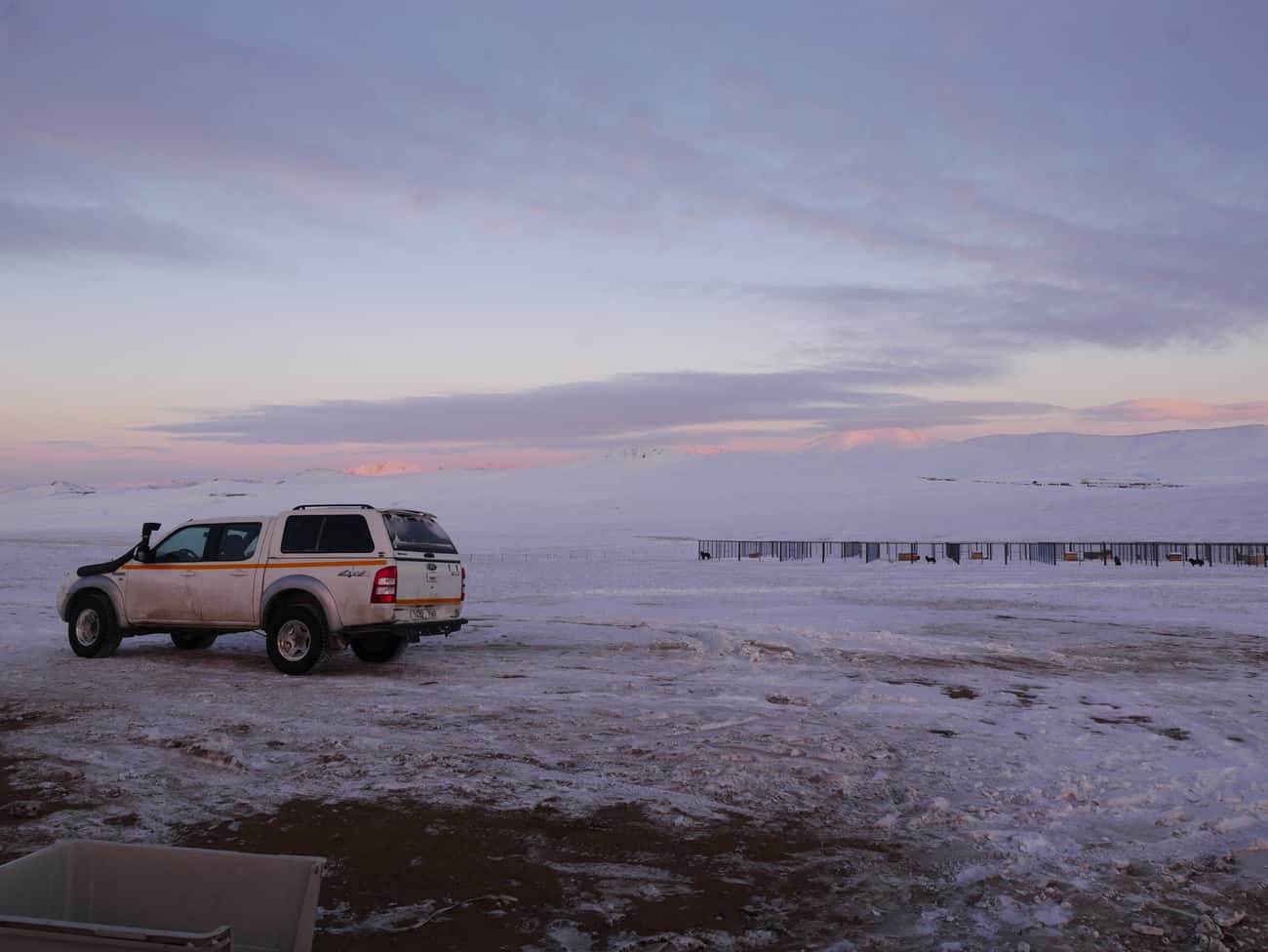
That’s where we come in. The Mongolian Bankhar Dog Project is a fully approved 501(c)3 nonprofit, and they rely on crowdfunding for half of their yearly budget. This year, that budget comes to a total of $150,000, so they need to raise $75,000 by the end of their campaign on March 18. With that deadline rapidly approaching, every donation counts, and each one brings their team one step closer to preserving Mongolia’s rare predatory species, the native people’s way of life, and of course the dwindling breed of the Bankhar dog.
We encourage you to check out the Bankhar Dog Project website to learn more here, watch Bruce Elfstrom’s video explaining the project in detail below, and most of all to donate to this cause on Razoo here.
